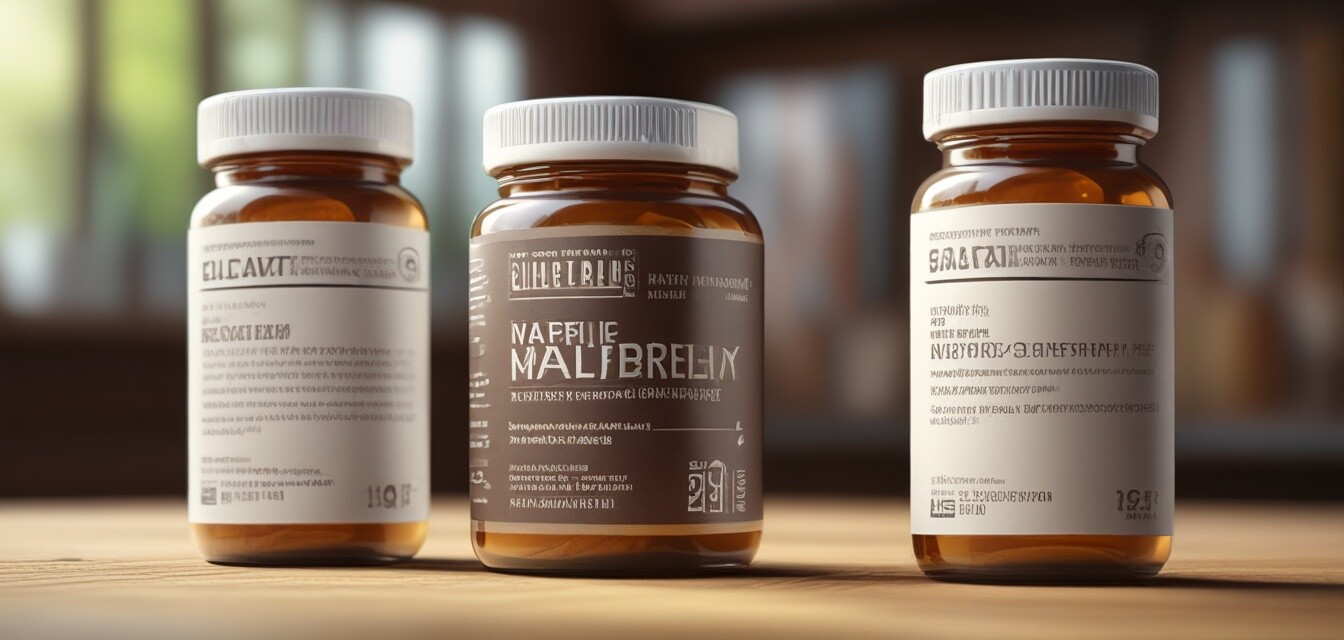
Transparency in Supplement Labeling
Key Takeaways
- Transparency in supplement labeling is essential for consumer trust.
- Clear and honest information helps consumers make informed choices.
- Understanding label terms can aid in navigating the supplement market.
- Regulatory standards vary, impacting the clarity of labels.
- Ethical sourcing and sustainability are becoming increasingly important to consumers.
In today's market, consumers are more informed than ever, and they demand clarity and transparency in the products they purchase. This is particularly true for dietary supplements, where the labeling can often be confusing and misleading. In this article, we will explore the importance of transparency in supplement labeling, what consumers should look for, and the impact it has on health and wellness.
Why is Transparency Important?
Transparency in labeling is crucial for several reasons:
- It builds trust between consumers and manufacturers.
- It empowers consumers to make informed decisions about their health.
- It reflects the ethical standards of the brand, which is increasingly valued by consumers.
Understanding Supplement Labels
Supplement labels can be overwhelming. Here are some key components to look for:
| Label Component | Description |
|---|---|
| Supplement Facts | Lists the active ingredients, serving size, and amount per serving. |
| Ingredients List | Shows all ingredients, including fillers and preservatives. |
| Warnings | Includes any safety information or potential allergens. |
| Certifications | Indicates third-party testing or certifications for quality assurance. |
Common Labeling Misleading Practices
Some manufacturers may use misleading practices to attract consumers. Here are a few to watch out for:
- Vague Claims: Terms like "natural" are not regulated and can be misleading.
- Hidden Ingredients: Some products contain proprietary blends that don't list individual ingredient amounts.
- False Advertising: Claims that imply a product has a specific effect without scientific backing.
How to Read Supplement Labels Effectively
To effectively read supplement labels, follow these tips:
Tips for Beginners
- Start with the Supplement Facts panel to understand what you're consuming.
- Check the ingredient list for any allergens or unwanted additives.
- Look for third-party certifications to ensure quality.
- Be aware of serving sizes versus the actual content of the bottle.
Regulatory Standards for Supplement Labeling
In the United States, dietary supplements are regulated by the FDA, but the rules are less stringent than those for pharmaceuticals. Here’s a comparison of regulations:
| Aspect | Dietary Supplements | Pharmaceuticals |
|---|---|---|
| Regulatory Body | FDA | FDA |
| Approval Process | No pre-market approval | Requires extensive clinical trials |
| Labeling Requirements | Must be truthful but less stringent | Strict and detailed |
| Advertising | Less regulated | Highly regulated |
Consumer Awareness and Education
Being educated about supplement labeling empowers consumers. Here are resources to enhance your knowledge:
- Eco-Friendly Packaging
- Fair Trade Supplements
- Gluten-Free Supplements
- Organic Vitamins
- Plant-Based Supplements
The Role of Ethical Sourcing
Consumers today are increasingly concerned about where their supplements are sourced. Ethical sourcing not only ensures quality but also aligns with sustainable practices. Here’s why it matters:
- Supports local communities.
- Promotes environmental sustainability.
- Enhances product trustworthiness.
Conclusion
Transparency in supplement labeling is essential for informed consumer choices. By understanding labels and supporting ethical brands, consumers can navigate the supplement market effectively. As demand for clarity and sustainability grows, manufacturers must rise to the occasion, ensuring their products reflect these values.
Pros
- Builds trust with consumers.
- Encourages informed decision-making.
- Promotes ethical practices in sourcing and production.
Cons
- Misleading labels can confuse consumers.
- Lack of regulations can lead to poor quality products.
- Some brands might not disclose all ingredients.