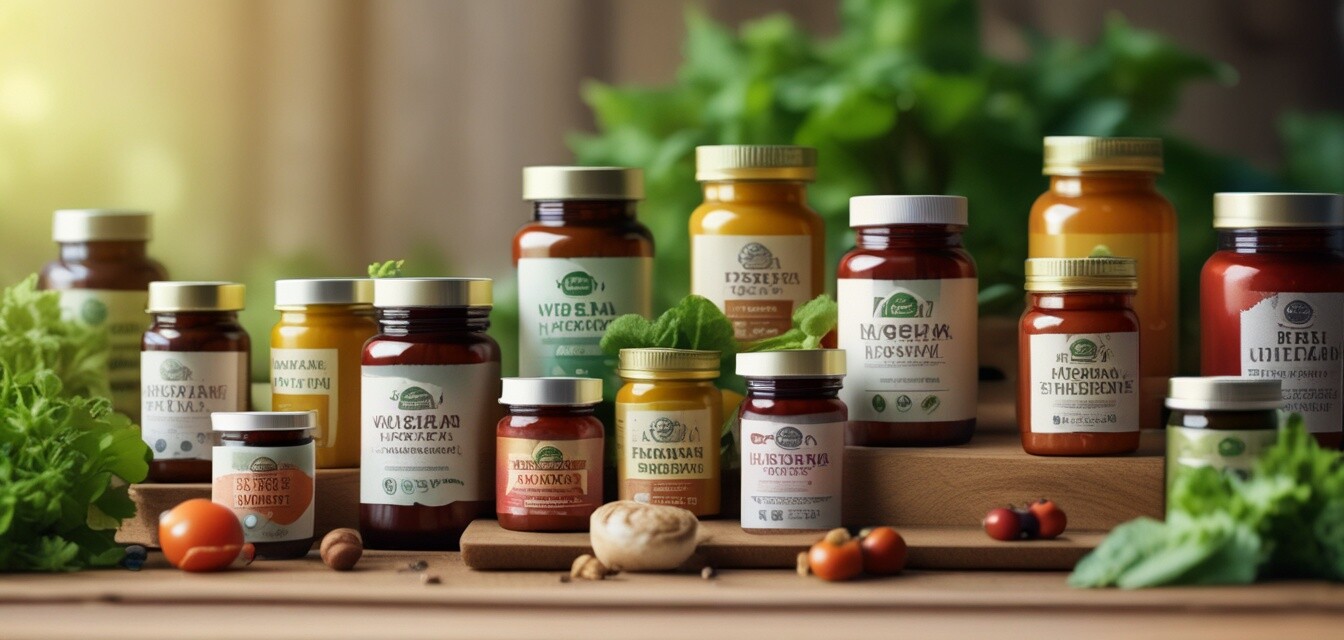
Vegan and vegetarian supplements
Key Takeaways
- Vegan and vegetarian diets may require specific supplements to meet nutritional needs.
- Common supplements include Vitamin B12, Omega-3 fatty acids, and Iron.
- Ethically sourced and sustainably produced supplements are available for conscious consumers.
- Always consult with a healthcare professional before starting any new supplement regimen.
In recent years, more people are choosing vegan and vegetarian diets for health, ethical, or environmental reasons. While these diets can be incredibly nutritious, they may also lead to nutrient deficiencies if not properly planned. This guide will explore the essentials of vegan and vegetarian supplements, highlighting what you need to consider when choosing the right products for your diet.
Understanding vegan and vegetarian diets
Vegan diets exclude all animal products, while vegetarian diets may include dairy and eggs. Both diets can provide numerous health benefits, but they often lack specific nutrients that are more readily available in animal products.
Essential nutrients for vegans and vegetarians
| Nutrient | Importance | Sources |
|---|---|---|
| Vitamin B12 | Crucial for nerve function and blood cell production | Fortified foods, supplements |
| Iron | Essential for oxygen transport in the blood | Legumes, nuts, seeds, fortified cereals |
| Omega-3 fatty acids | Important for heart and brain health | Flaxseed, chia seeds, algae-based supplements |
| Calcium | Vital for bone health | Leafy greens, fortified plant milks, supplements |
| Zinc | Supports immune function | Legumes, nuts, seeds, whole grains |
Popular vegan and vegetarian supplements
Choosing supplements can be overwhelming, so here’s a breakdown of some popular options:
1. Vitamin B12
Vitamin B12 is mainly found in animal products, so it's crucial for those on a vegan or vegetarian diet to find alternative sources. Look for supplements that provide methylcobalamin or adenosylcobalamin, the active forms of B12.
2. Omega-3 Fatty Acids
Omega-3s, particularly EPA and DHA, are beneficial for heart health. Vegans can find these nutrients in algae-based supplements, which are a direct source of omega-3s without animal byproducts.
3. Iron
While iron can be obtained from plant sources, it's often in the non-heme form, which is less readily absorbed. A supplement containing ferrous bisglycinate may be gentler on the stomach and more effective.
4. Calcium
Calcium is vital for maintaining bone density. Vegans should look for plant-based calcium supplements that are derived from algae or other non-dairy sources.
5. Protein
Protein powders can be an excellent addition to vegan diets, especially for athletes. Look for blends that include pea, hemp, and brown rice protein.
Choosing the right supplements
When selecting vegan and vegetarian supplements, consider the following:
- Check for certifications that ensure ethical sourcing and sustainability.
- Look for third-party testing to ensure product quality and potency.
- Read reviews and choose brands that are reputable and transparent about their ingredients.
- Consult with a healthcare professional for personalized recommendations.
Ethical considerations in supplement sourcing
Many consumers are looking for supplements that align with their values. This includes:
- Eco-Friendly packaging to reduce waste.
- Fair Trade certifications to ensure ethical labor practices.
- Sustainably sourced minerals to minimize environmental impact.
Where to buy vegan and vegetarian supplements
Many health food stores and online retailers offer a variety of vegan and vegetarian supplements. Be sure to check out our product categories for:
- Eco-Friendly Packaging
- Fair Trade Supplements
- Gluten-Free Supplements
- Organic Vitamins
- Plant-Based Supplements
- Sustainably Sourced Minerals
Conclusion
Vegan and vegetarian diets can be healthy and fulfilling, but it's essential to be mindful of potential nutrient deficiencies. By incorporating the right supplements, you can ensure your body gets the nutrients it needs to thrive. Always remember to consult with a healthcare professional before starting any new supplements and choose products that align with your ethical and sustainability values.
Tips for beginners
- Start with a multivitamin designed for vegans or vegetarians to cover your bases.
- Incorporate a variety of foods into your diet to maximize nutrient intake.
- Limit processed foods and focus on whole food sources.
- Stay informed about your body’s specific nutritional needs.
Pros
- Supports ethical and sustainable practices.
- Helps fill nutritional gaps in a plant-based diet.
- Many options available for various dietary needs.
Cons
- Some supplements may be costly.
- Not all products are equally effective or well-sourced.
- Potential for over-supplementation if not properly managed.